Petra Keller · 7 September 2026
Wildlife Protection Projects Take Root Across Holtgate's Natural Areas
Wildlife protection projects have expanded across Holtgate's natural areas in recent years, with multiple initiatives focused on habitat restoration, species monitoring, and community-led conservation work. Local groups coordinate efforts in woodlands, riverbanks, and meadowlands where native flora and fauna face pressures from urban development and changing weather patterns. Data from ongoing surveys shows increases in certain bird and insect populations after targeted interventions began in 2023.
Habitat Restoration Underway in Key Zones
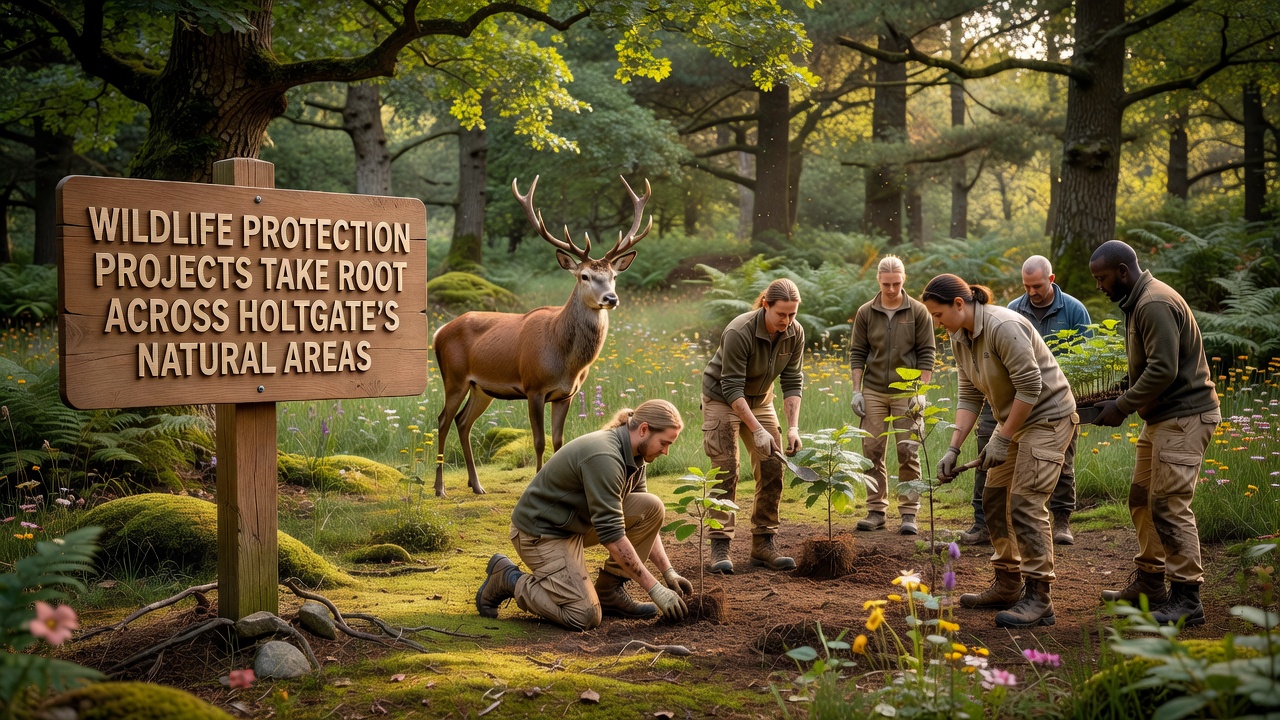
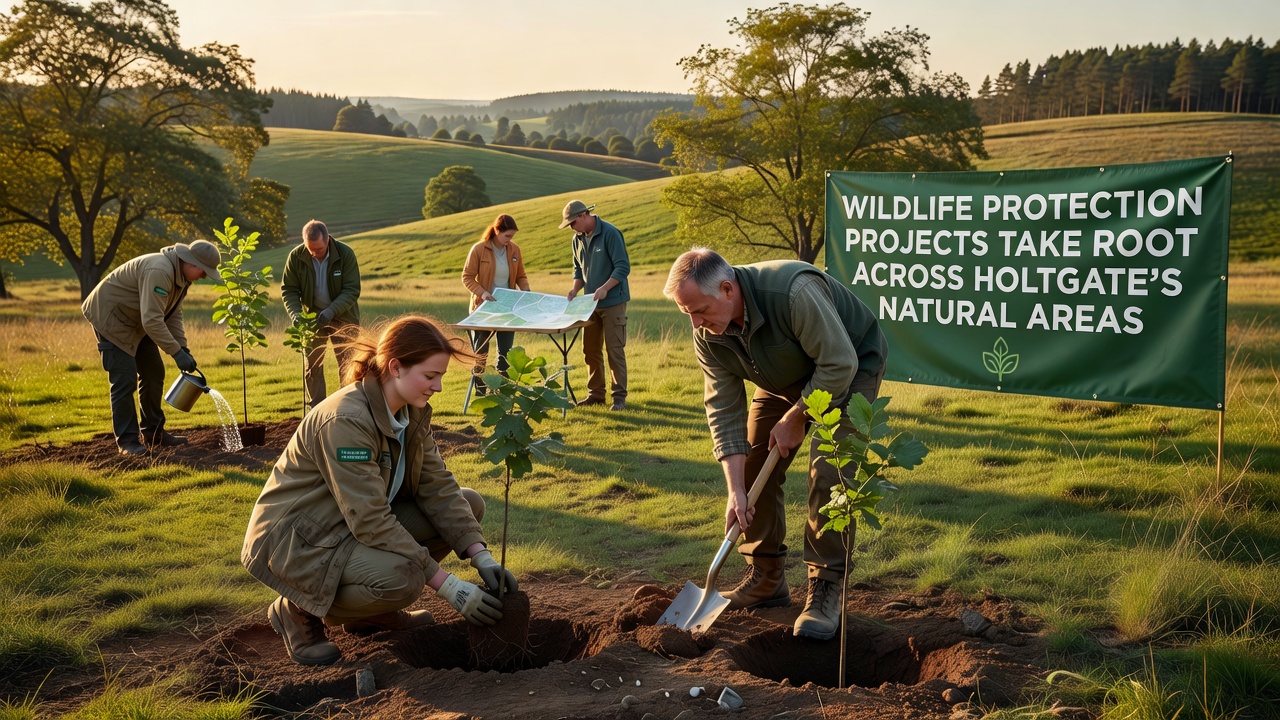
Restoration teams have cleared invasive plant species from several sites while replanting native trees and wildflowers that support local pollinators and small mammals. Projects along the Holtgate River corridor connect fragmented patches of woodland, creating corridors that allow animals to move safely between feeding and breeding grounds. Equipment records from field crews indicate that over 12 hectares received treatment by mid-2025, with follow-up maintenance scheduled through the following seasons.
Researchers from regional universities track soil health and water quality at these restored locations, noting measurable improvements in biodiversity metrics compared with untreated control plots. One study released in 2024 documented a 28 percent rise in butterfly sightings within two years of planting schedules that prioritized nectar-rich species.
Monitoring Programs Track Species Recovery
Camera traps and acoustic sensors now operate year-round in protected zones to log mammal and bird activity without disturbing animals. Volunteers trained by local wildlife trusts review footage weekly, submitting findings to a shared database that helps adjust protection measures quickly. These systems captured evidence of returning otter populations along quieter stretches of the river, where bankside vegetation provides cover during daytime hours.
September 2026 marks the start of an expanded autumn survey phase that will include nighttime bat counts and amphibian breeding assessments before winter sets in. Organizers expect these additional data points to refine management plans for the coming year, building on patterns observed during earlier cycles. According to figures released by Natural England, coordinated monitoring across similar UK sites has helped stabilize several declining species when habitat work aligns with seasonal movement data.
Community Groups Drive Participation
Schools and neighborhood associations host regular workdays where residents learn practical skills such as nest-box construction and hedge-laying. These sessions draw steady attendance, with participants contributing directly to project outcomes while gaining firsthand knowledge of local ecosystems. Records kept by the Holtgate Wildlife Network show that more than 400 volunteers logged hours in 2025 alone, supporting tasks that range from litter removal to invasive species mapping.
Partnerships with nearby farms encourage buffer strips along field edges, reducing runoff into sensitive waterways while providing additional foraging space for birds and insects. Landowners receive technical guidance on grant applications that offset costs associated with these changes, and early results from pilot farms indicate lower fertilizer use without yield reductions.
Looking Ahead
Project leads plan further expansion into adjacent green spaces once current sites reach maintenance phase. Funding applications submitted to national and international bodies aim to secure resources for continued equipment upgrades and staff training. Reports from comparable efforts in other regions, including work documented by the Australian Department of Climate Change, Energy, the Environment and Water, demonstrate that sustained community involvement often determines long-term success when initial restoration gains require ongoing protection.
Updates on progress will appear through local channels as new findings emerge from the September 2026 surveys and beyond.