Lars Lorenz · 5 October 2026
Archaeological Excavations and Sustainable Features Reshape Daily Patterns in Holtgate
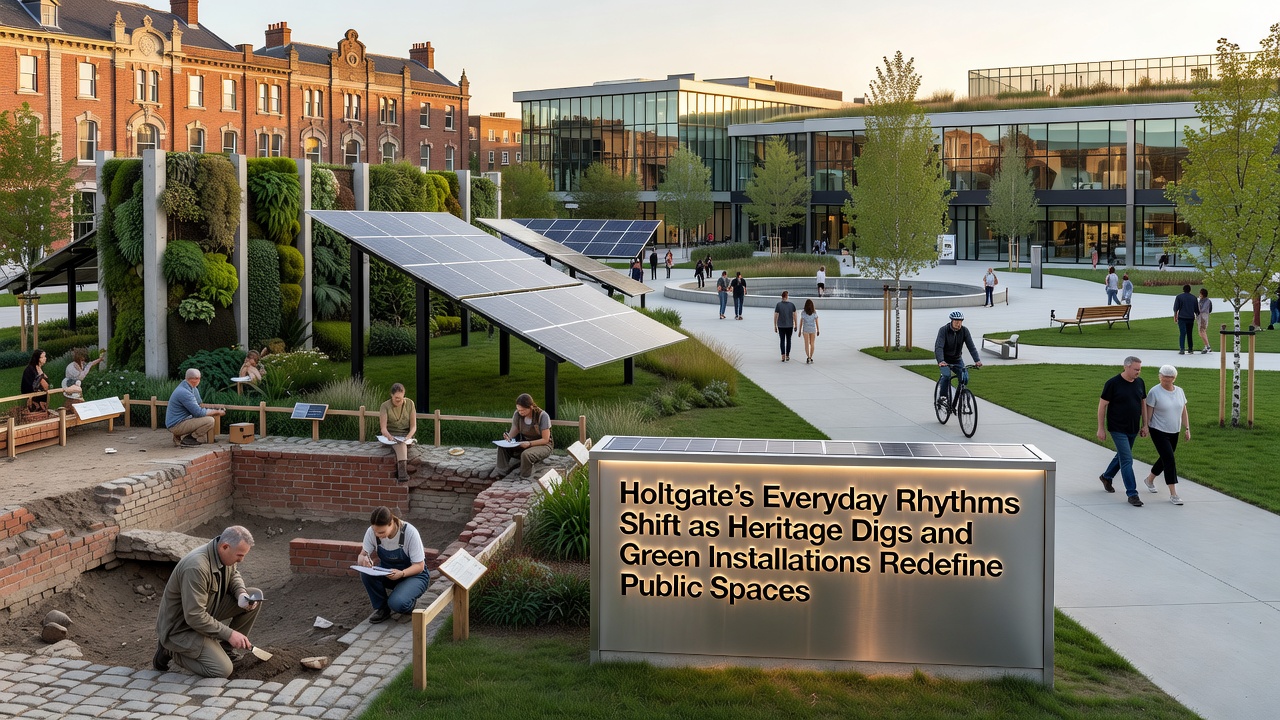
Archaeological teams have uncovered layered historical remains beneath several Holtgate public squares and pathways, while crews install native plant systems and permeable surfaces that manage stormwater, and these parallel efforts continue to alter movement through the town's central areas. Residents adjust walking routes around fenced dig zones during morning commutes, and local businesses report changes in foot traffic as pathways reopen in new configurations. Data from municipal tracking systems shows shifts in peak usage times at affected parks, with activity spreading across extended hours rather than concentrating in traditional midday periods.
Heritage Excavations Reveal Layers of Local History
Teams from the regional heritage authority began systematic digs in early 2025 at three sites that previously served as market squares and transport hubs, and findings include Roman-era road foundations alongside medieval trade artifacts. These discoveries prompted extended work periods that closed sections of pedestrian routes for weeks at a time, forcing commuters and school groups to adopt detours through adjacent streets. Records maintained by the local planning office indicate that 14 separate excavation trenches remain active as of September 2026, with additional test pits planned before the main phase concludes.
One study conducted by university researchers documented how the presence of these sites has drawn increased foot traffic from history enthusiasts, while regular users of the spaces adapt by selecting alternative gathering spots. Finds such as pottery fragments and coin hoards now undergo cataloging at a temporary on-site facility, and public viewing windows allow passersby to observe progress without entering restricted zones. According to figures released by the heritage authority, over 2,300 individual artifacts have been logged since the project started, with many slated for display in a forthcoming town museum wing.
Green Installations Integrate Ecological Systems Into Urban Fabric
Alongside the digs, crews have planted drought-resistant species and constructed rain gardens that capture runoff from surrounding rooftops, and these features occupy former paved sections that previously contributed to localized flooding during heavy storms. Installation work occurs in coordinated stages that minimize overlap with active excavation areas, though both projects share some common access routes for equipment delivery. Monitoring equipment installed at the green sites records soil moisture levels and biodiversity counts, with initial readings showing a 27 percent rise in insect species diversity within the first growing season.
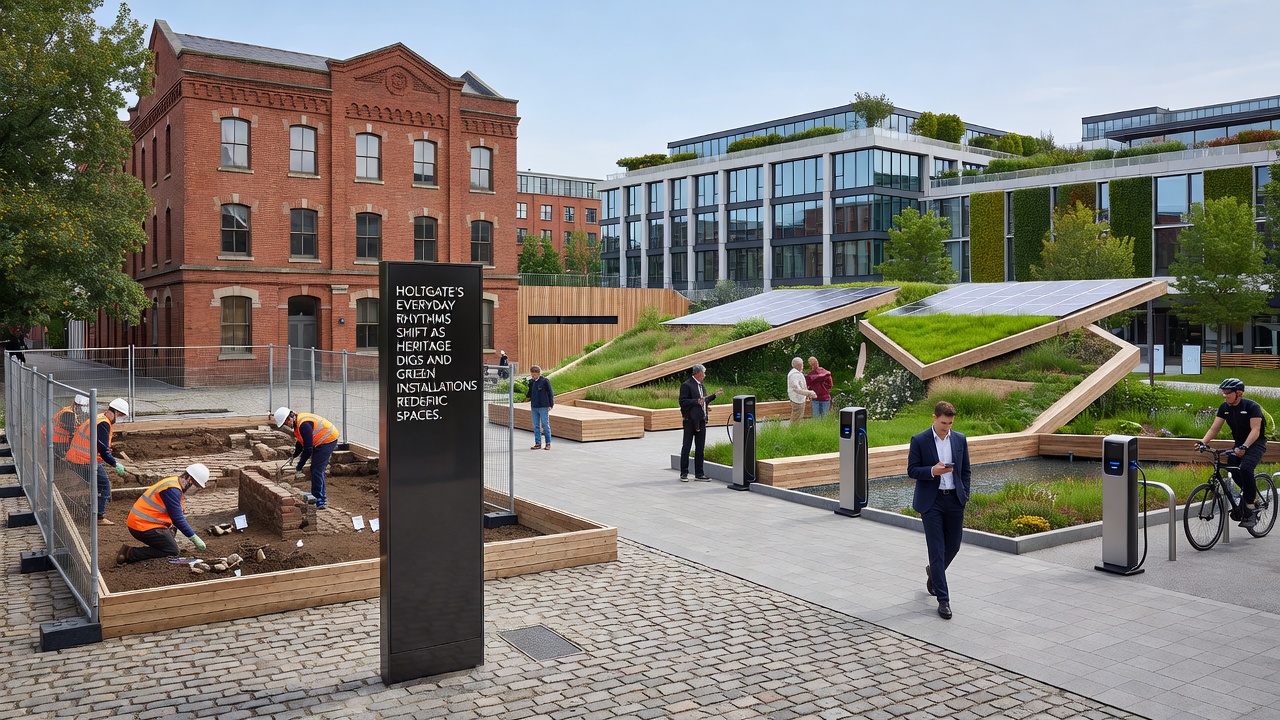
Local authorities coordinate these upgrades through a joint working group that includes representatives from environmental agencies and community boards, and the approach draws on models used in other regions. A report from Australia's Department of Climate Change, Energy, the Environment and Water outlines similar combined heritage and green infrastructure programs that achieved measurable reductions in urban heat effects. In Holtgate the combined projects have lengthened certain pathways by incorporating meandering routes around both dig zones and planted beds, which in turn extends average walking times for those crossing the central district.
Impacts on Everyday Movement and Community Use
Daily rhythms have adapted as people schedule activities around known closure periods, and data from transport surveys reveals a 19 percent increase in bicycle usage on routes that skirt the main work areas. Families now use the expanded green zones for evening activities that previously occurred in smaller paved plazas, while morning markets have shifted locations twice to accommodate changing site boundaries. Observers note that these adjustments appear most pronounced among older residents who rely on familiar shortcuts, whereas younger users explore the new layouts more readily.
By October 2026 the heritage authority plans to complete analysis of the final trench layers and begin phased reopening of several walkways, while remaining green installations receive final plantings before winter. This timeline aligns with seasonal weather patterns that favor root establishment for the new vegetation. Community notice boards display updated maps each month, and digital alerts notify subscribers of temporary access changes that last from a few days to several weeks depending on weather and find significance.
Broader Context and Ongoing Monitoring
Similar projects in other European municipalities have combined excavation work with ecological upgrades, and a review published by the U.S. National Park Service highlights measurable benefits in public engagement when both elements proceed together. In Holtgate the joint initiative continues under oversight from multiple agencies that track both artifact preservation standards and ecological performance metrics. Figures from the first full year of monitoring show consistent visitor numbers despite route changes, suggesting that the altered spaces retain their role as central gathering points while incorporating new functions.
Conclusion
Heritage excavations and green installations continue to modify how residents and visitors navigate Holtgate's public spaces, with data indicating sustained changes in timing and routing of daily activities. As the October 2026 milestones approach, further adjustments to pathways and planting areas will shape the next phase of these transformations, and ongoing records will document how the combined efforts influence both historical preservation and environmental function across the town.